SINCERELY INVITE COOPERATION

online message

We will contact you within one working day. Please pay attention to your email.

Picture Name

Blog

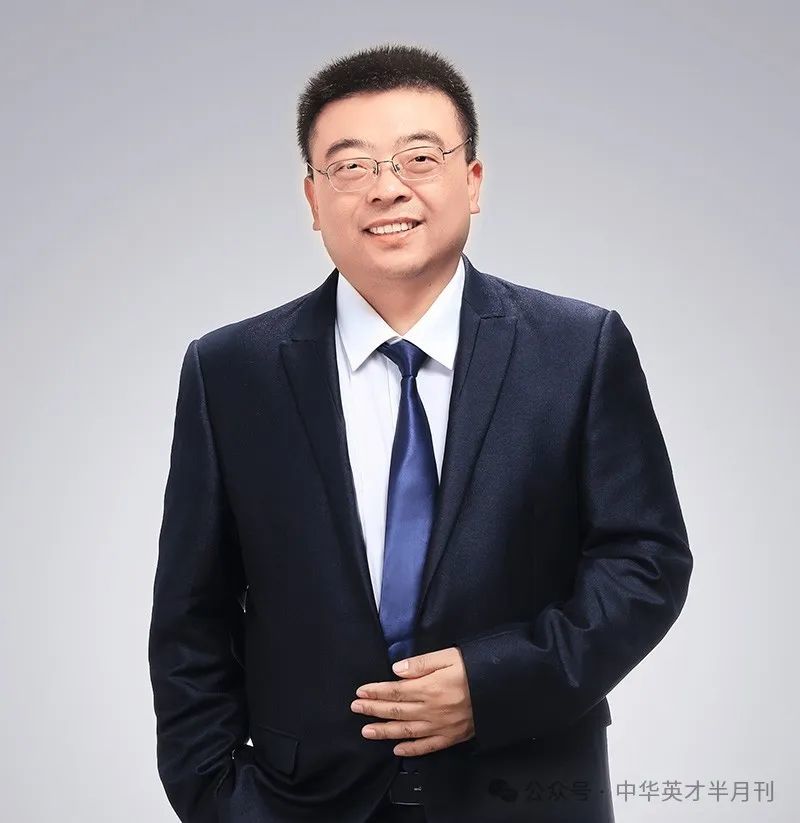
Peng Yiyun of "China Elite": Innovation Fills Technological Gaps, Entrepreneurship Protects Water Environment Safety

2024-12-19

Enterprise Flagship | Peng Yiyun: Innovation Fills Technological Gaps, Entrepreneurship Protects Water Environment Safety

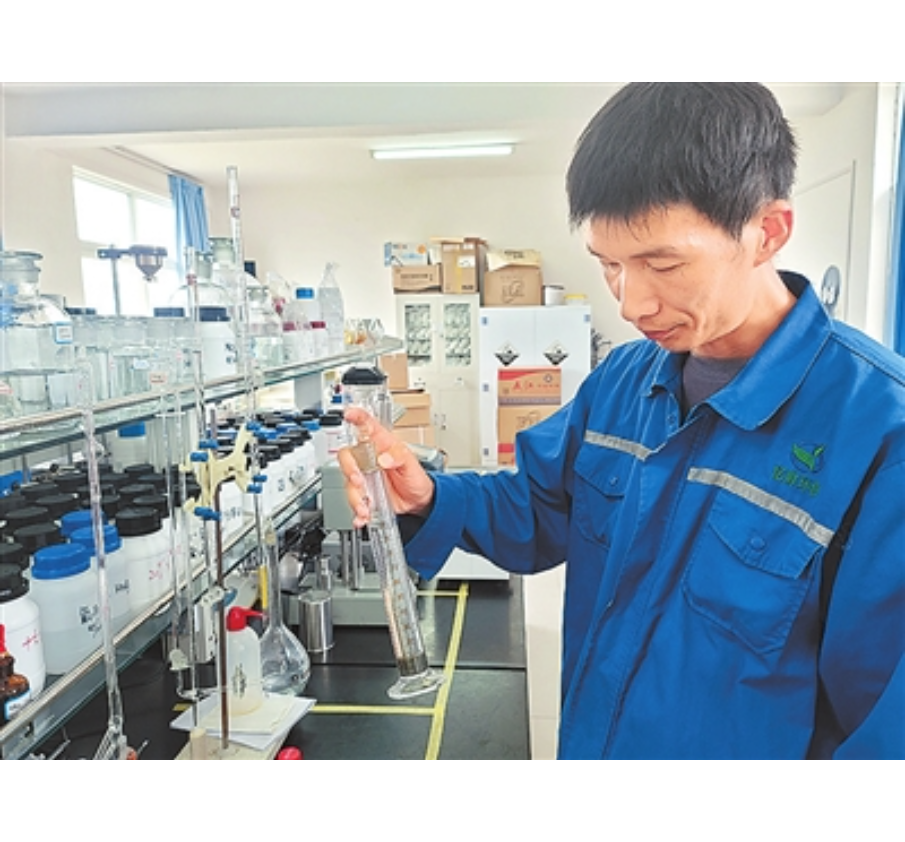
Flocculant 'catches iron' in water

2024-12-19

Add a few drops of solution to the muddy iron mine water, shake it up and down a few times, and the iron impurities will sink to the bottom of the tube, leaving the upper layer of iron mine water clear.

City leaders visit Henan Yiqun to investigate the progress of the Phase II project

2024-12-19
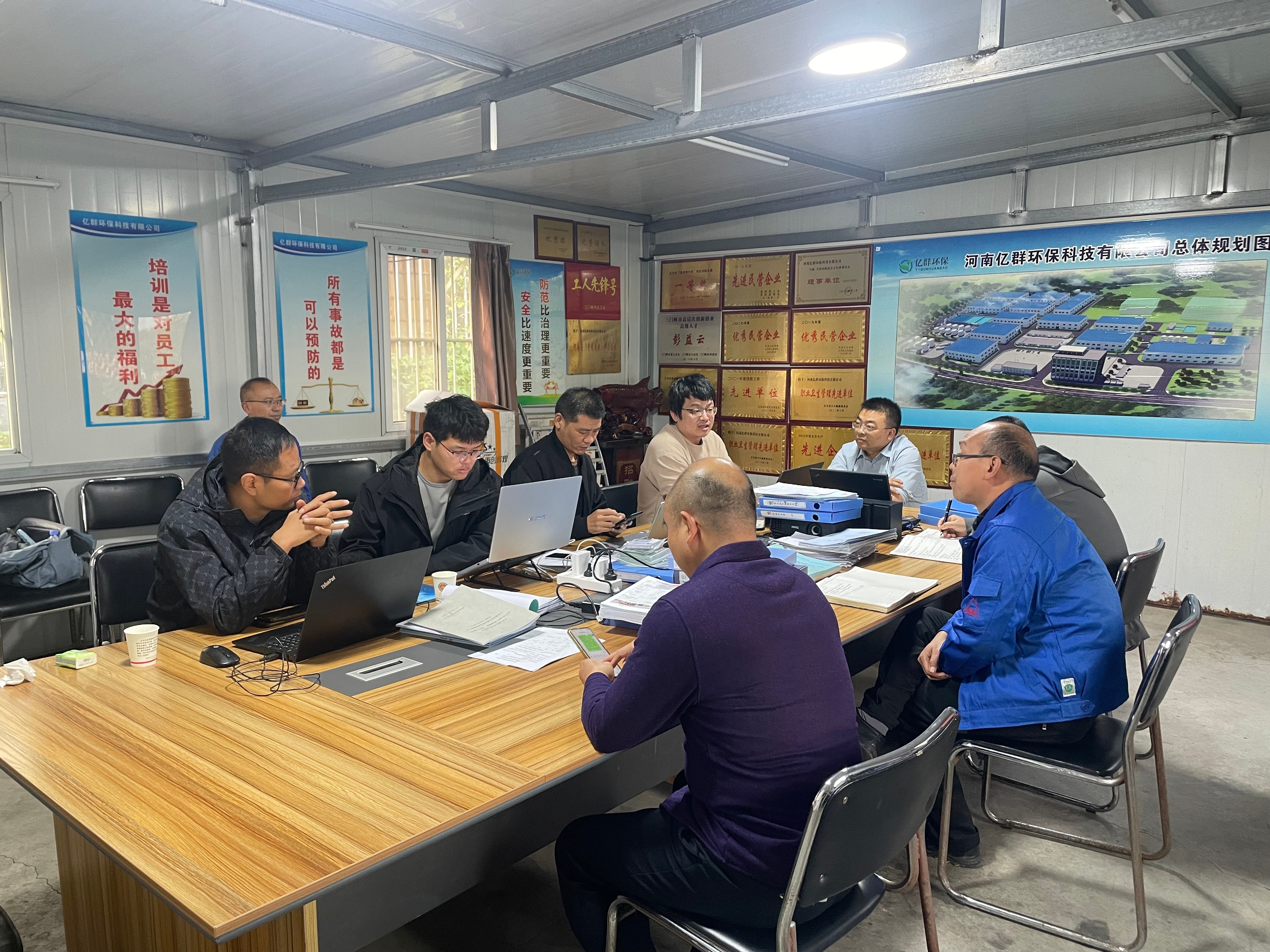
On December 17, 2024, Yuan Ruifeng, Secretary of the Yima Municipal Party Committee, and Zhou Qiang, Member of the Standing Committee of the Municipal Party Committee and Executive Deputy Mayor, visited the construction site of the Phase II project of Henan Yiqun Environmental Protection Technology Co., Ltd. for an inspection.

How to determine the molecular weight and charge density of cationic polyacrylamide through experimental methods?

2024-12-17

Understanding the specific properties of polymers is crucial for their applications. Cationic polyacrylamide, as a widely used water-soluble polymer, has molecular weight and charge density as key parameters affecting its performance and application effects. This article will introduce several common experimental methods for determining the molecular weight and charge density of cationic polyacrylamide. 1. Determination of Molecular Weight Gel Permeation Chromatography (GPC): Gel permeation chromatography is a common method for determining the molecular weight and its distribution of polymers. By dissolving the cationic polyacrylamide in a suitable solvent and then separating it through a column packed with microporous gel, polymers of different molecular weights will pass through the column at different rates. In combination with a refractive index detector or a UV detector, the elution time of different molecular weight components can be recorded, thus calculating the average molecular weight and molecular weight distribution of the polymer. Viscosity Method: The viscosity method is an indirect method for determining the molecular weight of polymers. By measuring the relationship between the viscosity and concentration of the solution, the viscosity average molecular weight of the polymer can be estimated using the Mark-Houwink equation. This method is simple and easy to perform, but requires known K and α values, which usually depend on the specific polymer-solvent system. 2. Charge Density

What are the functions of polyacrylamide in drilling fluids?

2024-12-06
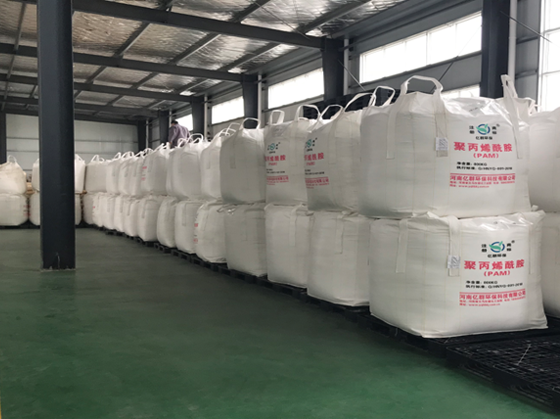
In oil and natural gas exploration and development, drilling operations are a crucial link. Drilling fluid, as an indispensable "blood" in this process, its performance directly affects drilling efficiency, downhole safety and environmental protection. In recent years, polyacrylamide (PAM), as a highly efficient drilling fluid additive, has shown significant advantages in improving drilling fluid performance due to its unique physicochemical properties. This article will delve into the multiple roles of polyacrylamide in drilling fluids and reveal its important position in modern drilling technology. 1. Thickening and increasing viscosity Polyacrylamide is a linear high molecular polymer with extremely strong thickening ability. Adding a small amount of PAM to the drilling fluid can significantly increase the viscosity of the system, which is crucial for carrying cuttings, cleaning the bottom of the well, and stabilizing the wellbore. High-viscosity drilling fluid can effectively suspend cuttings, prevent them from settling and causing stuck pipe, and at the same time enhance the sand-carrying capacity of the drilling fluid and improve the mechanical drilling speed. 2. Reduce filtrate loss During drilling, drilling fluid will penetrate into the formation, resulting in water loss, that is, filtrate loss. Excessive filtrate loss will not only lead to unstable wellbore, but also may cause stuck pipe accidents. Polyacrylamide forms a filter cake on the wellbore wall to reduce filtrate loss.

The role of polyacrylamide in water purification

2024-11-25
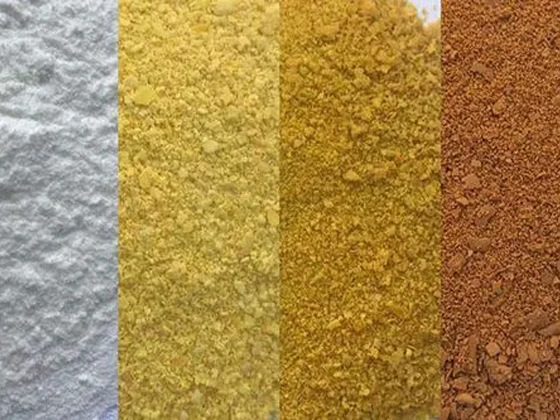
Water is the source of life and the foundation of our survival. However, with the rapid development of industrialization and urbanization, water pollution has become increasingly serious, and water purification has become a top priority. Among the numerous water purification methods and materials, polyacrylamide, with its unique properties and functions, has become an important player in the field of water purification. Polyacrylamide, abbreviated as PAM, is a high-molecular organic polymer. It has a strong flocculating effect and can quickly coagulate suspended substances and colloidal particles in water into larger clumps, making them easier to settle and remove. This flocculation effect is like a magical wizard, turning originally turbid water into clear and transparent water. In wastewater treatment, polyacrylamide plays an important role. When wastewater enters the treatment system, polyacrylamide is added to the water, and it quickly combines with pollutants in the wastewater to form flocs. These flocs settle to the bottom under the action of gravity, thus achieving preliminary purification of the wastewater. At the same time, polyacrylamide can also adsorb harmful substances such as organic matter and heavy metals in water, further improving the effect of water purification. Moreover, polyacrylamide can improve the fluidity and permeability of water. In some industrial production processes, it is necessary to make

The role and application of polyacrylamide in agriculture

2024-11-12

Polyacrylamide has unique physicochemical properties that allow it to perform multiple functions in agriculture. First, it can improve soil structure. By increasing soil aggregate stability and reducing soil erosion and compaction, it makes the soil more loose and breathable, which is beneficial for root growth and nutrient absorption. At the same time, it can also improve the soil's water retention capacity, reduce water evaporation, and maintain the soil's appropriate humidity, providing a good growth environment for crops. Polyacrylamide can promote seed germination and seedling growth. It can form a protective film around the seeds to maintain the moisture and nutrients of the seeds, improving the germination rate and emergence rate. In the seedling stage, polyacrylamide can also enhance the seedling's stress resistance, improve its adaptability to environmental stress, reduce the occurrence of pests and diseases, and make the seedlings stronger. The application of polyacrylamide in agriculture also includes improving fertilizer utilization. It can combine with fertilizers to form stable complexes, prolonging the retention time of fertilizers in the soil, slowing down the release rate of fertilizers, allowing fertilizers to be absorbed and utilized by crops more evenly and persistently, thereby reducing fertilizer waste and improving fertilizer utilization efficiency. What are the specific applications of polyacrylamide in agriculture? One common application...

The impact mechanism of different formulations on the properties of polyacrylamide emulsion

2024-10-29
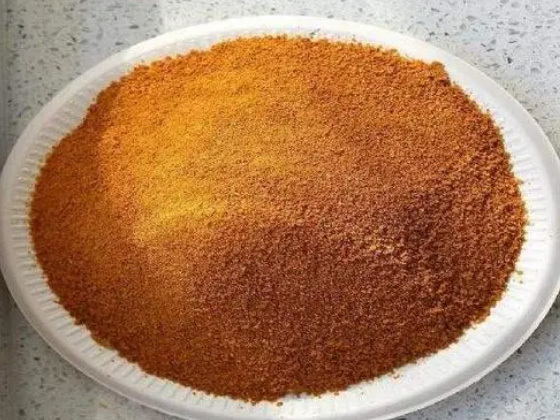
The type and proportion of monomers are key factors affecting the performance of polyacrylamide emulsion. Acrylamide, as the main monomer, when copolymerized with other functional monomers, imparts different properties to the emulsion. For example, the introduction of anionic monomers such as acrylic acid can give the polyacrylamide emulsion a negative charge. This negatively charged emulsion, in wastewater treatment, can effectively remove suspended particles from wastewater through charge neutralization and adsorption bridging. If the proportion of acrylic acid is increased, the negative charge density of the emulsion increases, and the flocculation effect on positively charged pollutants will be enhanced, but an excessive amount may lead to a decrease in emulsion stability, because excessive charges can cause excessive intermolecular repulsion. The choice and dosage of initiator also have an important impact on the performance of polyacrylamide emulsion. The initiator's role is to initiate the monomer polymerization reaction. Different initiators have different decomposition temperatures and initiation efficiencies. Ammonium persulfate is one of the commonly used initiators, and its dosage determines the rate of the polymerization reaction. If the dosage is too low, the polymerization will be incomplete, resulting in a lower molecular weight of polyacrylamide, affecting the viscosity and flocculation performance of the emulsion. If the dosage is too high, it may cause side reactions, resulting in impurities in the emulsion, reducing the purity and stability of the emulsion. The type and amount of emulsifier cannot be ignored in the polyacrylamide emulsion formulation.

Henan Yiqun Environmental Protection Technology Co., Ltd. Fully Carry out QES Three System Certification Audit Work

2024-10-29

On October 28, 2024, Yiqun Environmental Protection successfully carried out a comprehensive audit by the expert group of the QES three-system certification audit body. The purpose of this audit is to ensure that the company's quality, environment and occupational health and safety management systems continue to improve and meet international standards.

Rheological Properties and Application Effects of Polyacrylamide Emulsion

2024-10-09
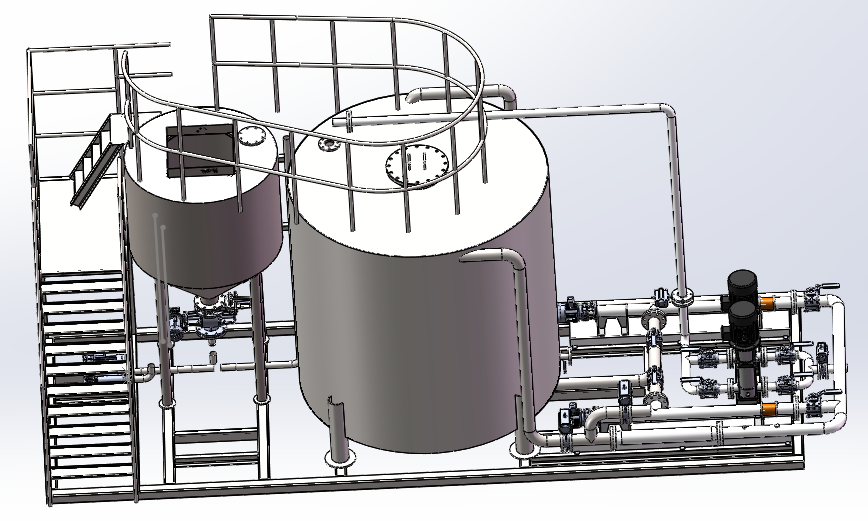
Polyacrylamide emulsions have complex rheological behavior. Its viscosity will change with the change of shear rate, showing the characteristics of non-Newtonian fluid. This characteristic makes it play a unique role in different application scenarios. At low shear rate, polyacrylamide emulsion shows higher viscosity, which helps to form a stable colloidal structure; while at high shear rate, the viscosity decreases, which facilitates the transportation and processing of materials. This rheological properties make polyacrylamide emulsions shine in the field of water treatment. In the process of sewage treatment, it can effectively coagulate and settle suspended solids and improve the efficiency of water treatment. Its unique viscosity adjustment ability allows it to adapt to the requirements of different water quality and treatment processes to ensure stable and reliable water treatment effects. At the same time, in oil exploration, polyacrylamide emulsion also helps to improve the recovery of crude oil by virtue of its rheological properties. It can improve the oil-water mobility ratio and increase the fluidity of crude oil, so that more oil can be extracted. The rheological properties of polyacrylamide emulsions also have an important impact on their application in the paper industry. In the papermaking process, it can be used as a retention aid and filter aid to improve the water filtration performance of pulp and the quality of paper. By adjusting its rheological properties, it can.

Polyacrylamide emulsion using what polymerization process, how to ensure product quality?

2024-09-29
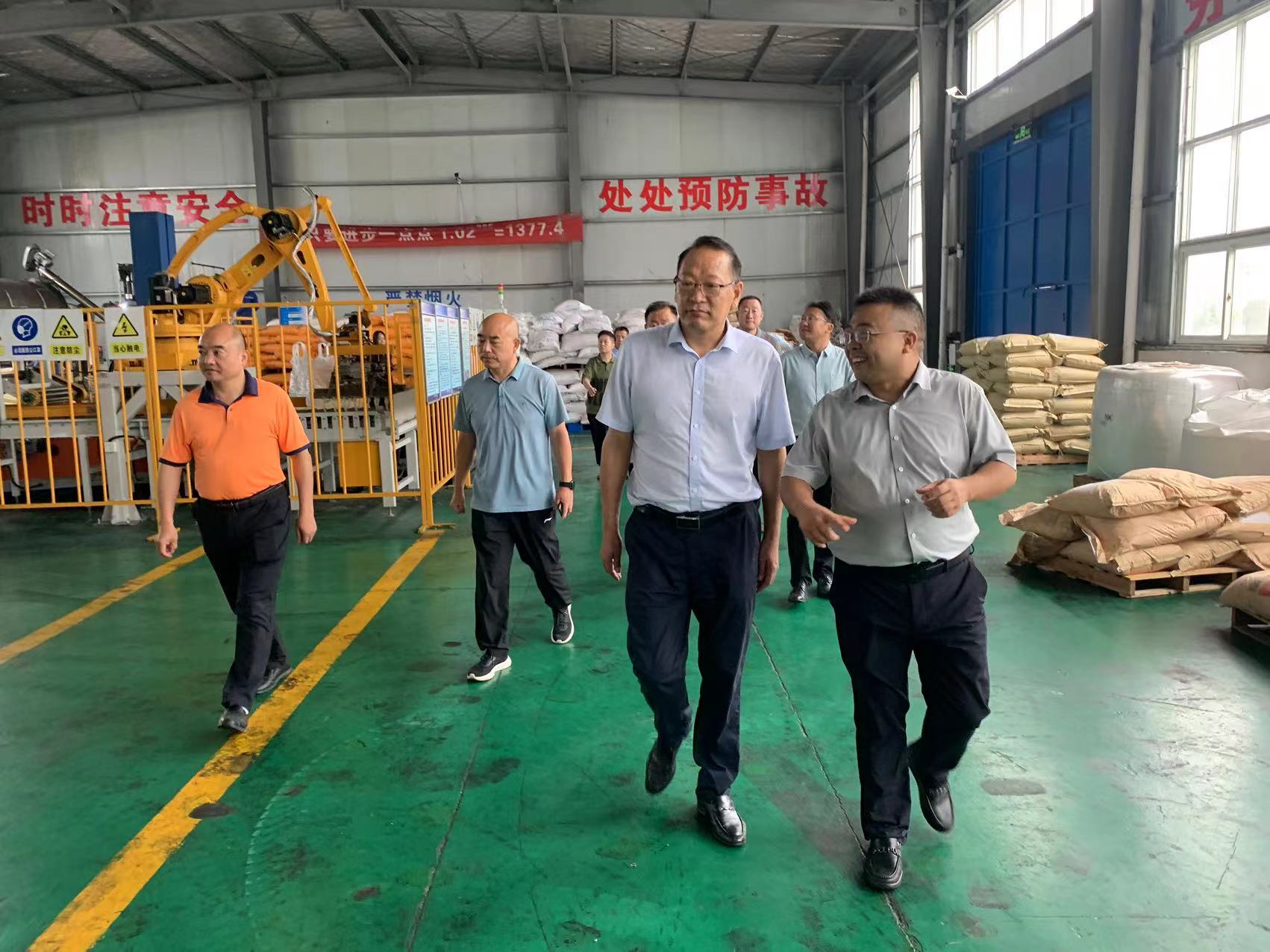
Polyacrylamide emulsion plays an important role in many fields, and its performance and quality are directly related to the application effect. So, what kind of polymerization process is used in polyacrylamide emulsion, and how to ensure the quality of its products? In terms of polymerization process, there are many commonly used methods. Among them, emulsion polymerization is a more common way. This process forms a stable emulsion system by reacting monomers, initiators, etc. in an aqueous phase. In the polymerization process, it is necessary to accurately control the reaction conditions, such as temperature, stirring speed, etc., to ensure the smooth progress of the polymerization reaction. In addition, microemulsion polymerization is also a process worthy of attention. It can be carried out under milder conditions, and the resulting emulsion has a smaller particle size and a more uniform distribution, thereby improving the performance of the product. At the same time, some advanced polymerization technologies are also being developed and applied, bringing new possibilities for the production of polyacrylamide emulsions. To ensure the quality of polyacrylamide emulsion, we must first start with the choice of raw materials. High-quality monomers and additives are the basis for the production of high-quality products. Only by selecting pure and stable raw materials can the performance and stability of the product be guaranteed. In the production process, strict quality control is essential. From reaction monitoring to product
< 1234567 > proceed page
WeChat Public Number

WeChat Public Number

WeChat Public Number

Tiktok

Copyright: Henan Yiqun Environmental Protection Technology Co., Ltd. Powerby:300.cn   Privacy Policy