SINCERELY INVITE COOPERATION

online message

We will contact you within one working day. Please pay attention to your email.

Picture Name

Blog

Factors Affecting the Viscosity of Polyacrylamide Emulsion

2024-08-30
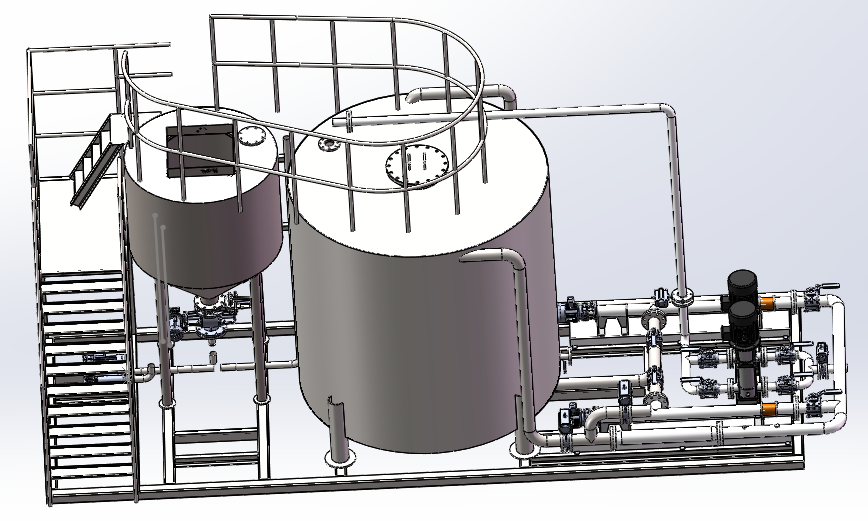
Polyacrylamide emulsion is widely used in many industrial fields because of its unique properties. As an important physical property, viscosity is affected by many factors. In-depth understanding of these factors and their specific effects on viscosity data and variation rules is of great significance for the correct use and optimization of polyacrylamide emulsions. Effect of 1. temperature Temperature is an important factor affecting the viscosity of polyacrylamide emulsion. Generally speaking, with the increase of temperature, the viscosity of polyacrylamide emulsion will gradually decrease. This is because the increase in temperature will increase the thermal motion of molecules, so that the interaction between molecules is weakened. For example, at room temperature 25 ℃, the viscosity of a particular type of polyacrylamide emulsion may be 5000 mPa · s (mPa · s), when the temperature rises to 50 ℃, its viscosity may drop to about 3000 mPa · s. In practical applications, if it is in the field of sewage treatment, when the temperature is high in summer, it is necessary to appropriately adjust the amount of polyacrylamide emulsion added according to temperature changes. Because the decrease of viscosity may lead to the decrease of flocculation effect, it is necessary to increase the dosage to ensure the treatment effect. In some scenarios that require pipeline transportation, higher temperatures are higher.

What is the quality detection system of polyacrylamide?

2024-08-29
The quality inspection system plays a vital role in the production and application of polyacrylamide, which is the key link to ensure stable and reliable product quality. 1. detection item molecular weight determination molecular weight is a key performance index of polyacrylamide. Different application scenarios have different requirements for molecular weight. For example, in sewage treatment, suitable molecular weight can flocculate impurities more effectively. Commonly used detection methods are viscosity and gel permeation chromatography (GPC). The viscosity method measures the viscosity of the polyacrylamide solution, and then calculates the molecular weight according to the empirical formula. GPC is the use of polymer in the column separation principle, according to the outflow time to determine the molecular weight and its distribution. Ionicity detection (for ionic polyacrylamide) For anionic and cationic polyacrylamide, the ionicity directly affects its performance. The ionicity of anionic polyacrylamide is usually determined by titration. The sample is reacted with a specific reagent and the ionicity is calculated based on the amount of reagent consumed. The ionic degree of cationic polyacrylamide is often detected by colloidal titration, which uses the opposite charged colloid to react with the sample, and determines the ionic degree by observing the color change and other indicators. Solid content determination Solid content reflects polypropylene

Mayor Yao visited Henan Yiqun Environmental Protection to investigate the progress of the second phase of the project.

2024-08-23

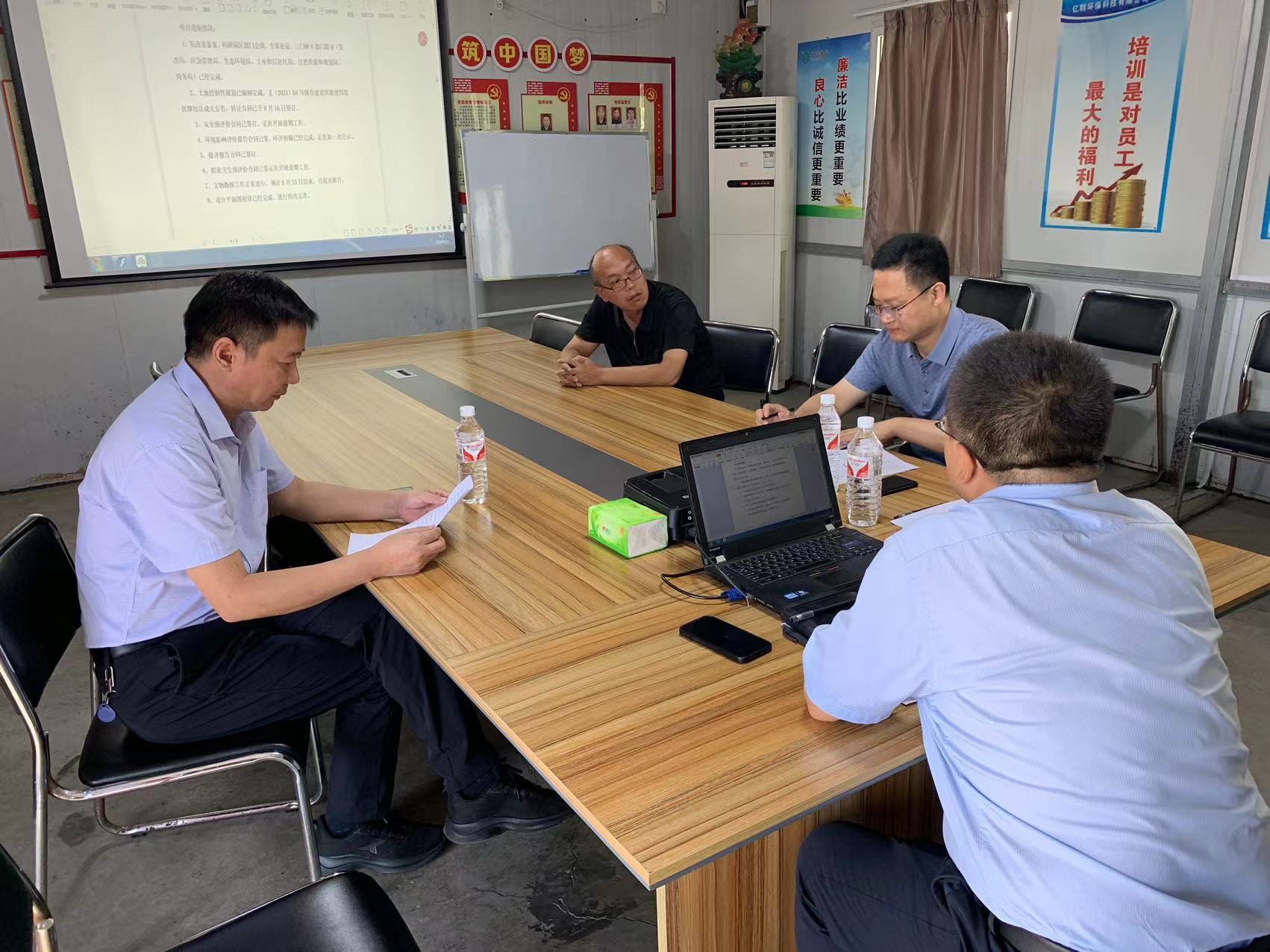
On the morning of August 22, 2024, Yao Zhenbo, deputy secretary of the municipal party committee and mayor, and his party visited Henan Yiqun Environmental Protection Technology Co., Ltd. to conduct field research on the progress of the company's second phase project.

Sanmenxia City Leaders Go Deep into Billion Groups to Conspire New Development of Environmental Protection Industry

2024-08-23

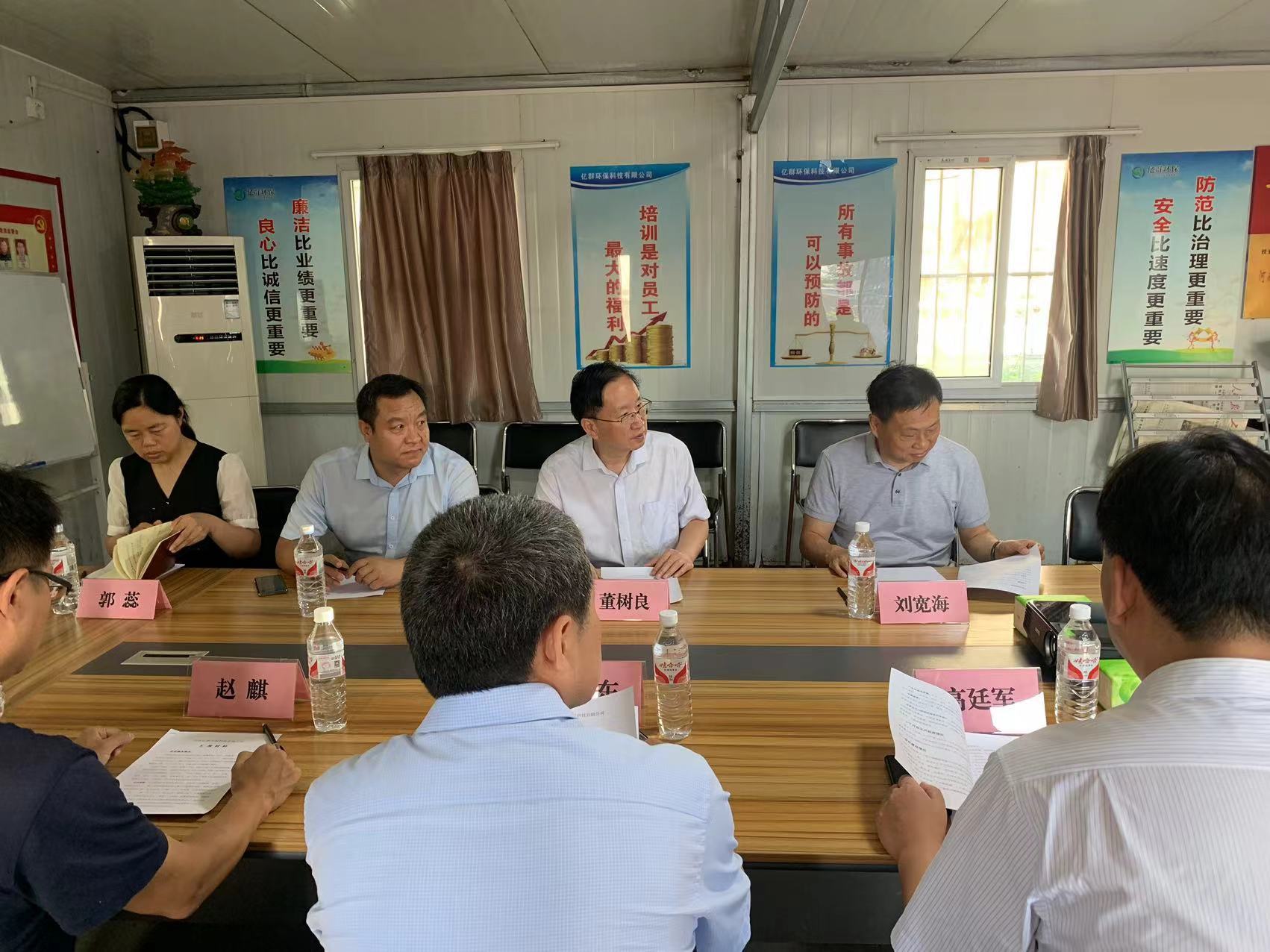
On the morning of August 22, 2024, Dong Shuliang, deputy secretary and vice chairman of the Party group of Sanmenxia CPPCC, Liu Kuanhai, deputy secretary of the Party group of Sanmenxia CPPCC, and Nan Libo, member of the Party group and deputy director of Sanmenxia Bureau of industry and information technology, visited our company to conduct in-depth investigation on key projects and enterprise operation.

For the application needs of different industries (such as sewage treatment, oil extraction, papermaking, etc.), how to adjust the production process and product performance indicators?

2024-08-19

As a multifunctional polymer, polyacrylamide is widely used in many industries. However, the application scenarios and needs of different industries vary greatly, which requires manufacturers to accurately adjust the production process and product performance indicators to meet the special requirements of various industries. In the field of sewage treatment, polyacrylamide mainly plays a key role in flocculation and sedimentation. In order to meet the needs of sewage treatment, the production process needs to focus on the control of the ion degree and molecular weight of the product. For urban sewage treatment, the general selection of medium molecular weight and medium plasma polyacrylamide products. In the production process, the molecular weight can be precisely controlled within a suitable range by adjusting the polymerization conditions, such as the type and amount of the initiator, the reaction temperature and time, etc. For example, appropriately lowering the reaction temperature and prolonging the reaction time help to increase the molecular weight and enhance the flocculation effect. Meanwhile, the adjustment of the ionicity can be achieved by controlling the amount of the functional monomer added. In sewage treatment, polyacrylamide is required to be able to quickly combine with suspended solids in sewage to form larger flocs, which is convenient for subsequent precipitation and separation. Therefore, the dissolution properties of the product are also crucial. Manufacturers can optimize the drying process

Polyacrylamide professional manufacturers in the production process how to reduce energy consumption?

2024-08-09

Optimizing the production process is the key to reducing energy consumption. In the production process of polyacrylamide, manufacturers can conduct in-depth research and improvement of the polymerization process. For example, more advanced reaction equipment and technology are used to precisely control the reaction temperature and pressure. By optimizing the temperature control system, it is ensured that the reaction is carried out at the most suitable temperature, avoiding energy waste caused by too high or too low temperature. At the same time, the pressure parameters were adjusted reasonably to make the reaction process more efficient and stable. For some traditional polymerization processes, for example, the mixing uniformity of the reaction materials can be improved by improving the stirring method, and the reaction time can be reduced, thereby reducing the energy consumption. In addition, exploring new polymerization processes, such as some energy-saving catalytic polymerization technologies, has the potential to significantly reduce energy requirements while improving product quality. Secondly, the upgrading and transformation of equipment is also an important measure. Selection of high-efficiency and energy-saving production equipment, such as new energy-saving reactors, pump equipment, etc. These devices tend to have better energy conversion efficiency and lower operating energy consumption. For example, the pump equipment using frequency conversion technology can automatically adjust the flow and pressure according to the actual production demand, avoiding the energy waste of traditional equipment in low load operation. For the reaction kettle and other key equipment, strengthen its thermal insulation performance

What are the measures taken by professional polyacrylamide manufacturers in terms of cost control

2024-07-30
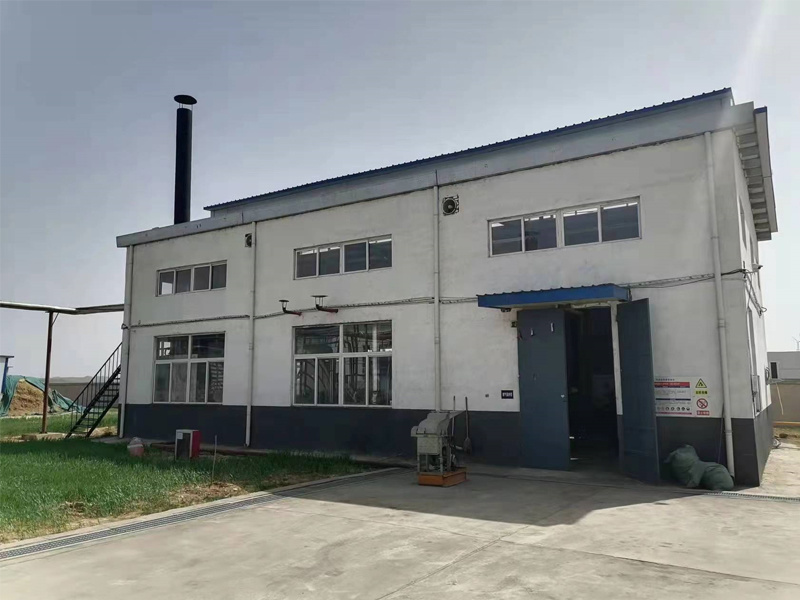
In the field of polyacrylamide production, cost control is one of the key factors for manufacturers to maintain competitiveness and achieve sustainable development. So, polyacrylamide manufacturers usually take what measures to effectively control costs? First of all, optimizing the production process is an important part. Through continuous research and improvement of polymerization reaction conditions, such as precise control of temperature, pressure, reaction time and other parameters, the reaction efficiency can be improved, and the waste of raw materials and energy consumption can be reduced. At the same time, the use of more advanced production technology and equipment can improve the degree of automation of production, reduce labor costs, and reduce the error and defective rate in the production process. The procurement strategy of raw materials also has a significant impact on cost control. Manufacturers will establish long-term and stable cooperative relations with high-quality raw material suppliers, and obtain more favorable prices through large-scale procurement. In addition, we will pay close attention to the price fluctuation of the raw material market and arrange the purchase timing reasonably to reduce the cost of raw materials. In terms of energy management, manufacturers will pay attention to the implementation of energy saving measures. For example, energy-saving renovation of production equipment, the use of efficient motors and energy-saving lighting systems, and the optimization of the plant's energy layout and distribution, thereby reducing energy consumption. Inventory management is also an important part of cost control.

How to control the reaction temperature in the production process by professional polyacrylamide manufacturers

2024-07-19

In the production process of polyacrylamide, the control of reaction temperature is a crucial link, which directly affects the quality and performance of the product. So, polyacrylamide professional manufacturers are how to accurately and effectively control this key factor? First of all, the advanced temperature monitoring system is the foundation. Manufacturers will install high-precision temperature sensors at key locations in the reactor to collect temperature data in the reaction system in real time and accurately. These sensors can quickly feedback temperature changes to the control system to ensure that the manufacturer has a dynamic grasp of the reaction temperature. In order to achieve accurate temperature regulation, manufacturers usually use intelligent temperature control systems. This system can automatically adjust the power and rate of heating or cooling according to the preset temperature range and reaction process requirements. For example, in the early stage of the polymerization reaction, it is necessary to provide appropriate heat to start the reaction. At this time, the temperature control system will increase the heating power; and when the reaction temperature is close to the upper limit, the system will switch to the cooling mode in time to reduce the temperature by circulating water or coolant. In the choice of heating methods, manufacturers will also carefully consider. Common electric heating, steam heating and other ways. Electric heating has the advantages of fast heating and precise control, but the energy consumption is relatively high; steam heating is more energy-saving,

What are the effects and potential risks of polyacrylamide in soil improvement?

2024-07-09
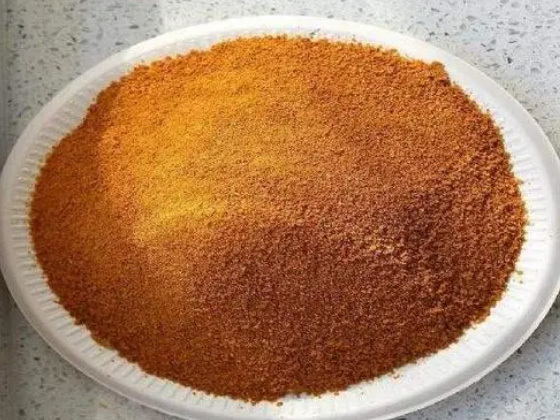
In the field of agriculture and soil science, polyacrylamide (PAM) is gaining attention as a soil conditioner. However, like many technical means, it brings significant application effect, at the same time, there are some potential risks. First, let's take a look at the application effect of polyacrylamide in soil improvement. It can effectively increase the soil aggregate stability. By interacting with soil particles, PAM promotes the agglomeration of small particles into large particles, improves the structure of the soil, and reduces soil dispersion and erosion. This is of great significance for preventing soil erosion, especially in sloping farmland and erosion-prone areas. PAM can also improve the water retention capacity of the soil. It can increase the porosity of the soil and make it easier for water to penetrate and store, thereby reducing irrigation requirements and improving the efficiency of water use. In arid areas or water shortages, this feature helps to maintain crop growth and yield. In addition, polyacrylamide can enhance the ability of soil to retain nutrients. It helps to reduce the leaching loss of nutrients, so that fertilizers can be more effectively absorbed and utilized by plants, improve the utilization rate of fertilizers, reduce agricultural production costs, and reduce environmental pollution caused by nutrient loss.

Physical Form and Safety of Polyacrylamide

2024-06-28

Polyacrylamide (PAM) is a widely used polymer compound, which plays an important role in many industrial fields because of its unique water solubility, chemical activity and thermal stability. This paper will focus on the physical form of polyacrylamide and its safety issues, in order to provide reference for related industries. Physical Forms of 1. Polyacrylamide Polyacrylamide usually exists in the following physical forms: Glue: Polyacrylamide in the form of glue is a transparent or translucent liquid with good fluidity and solubility. It can be used by adding it directly to water or other liquids. Latex: The latex form of polyacrylamide is a white or yellowish emulsion formed by the suspension of tiny polymer particles in water. This form of polyacrylamide is easy to mix with water and has good dispersibility. White powder: white powder in the form of polyacrylamide is a small particle, usually need to be dissolved in water before use. It has good storage stability and is convenient for long-distance transportation. Translucent beads: Polyacrylamide in the form of translucent beads is a large particle with good solubility and fluidity. It can be quickly dissolved in water, suitable for application scenarios that require rapid dissolution

Is polyacrylamide environmentally friendly?

2024-06-20
The environmental protection of polyacrylamide (Polyacrylamide, referred to as PAM) is an important issue. Polyacrylamide is a water-soluble polymer, because of its unique molecular structure and properties, has a wide range of applications in many industrial fields, such as water treatment, oil extraction, paper making and so on. However, its environmental friendliness depends on several factors, including how it is prepared, how it is used, and whether it is handled properly. Environmental protection in the preparation process: Acrylamide monomer may be released during the preparation process of traditional polyacrylamide, which is a toxic substance that may cause harm to the environment and human health. Therefore, manufacturers are developing more environmentally friendly preparation methods, such as bio-based polyacrylamide, which is made from renewable resources and reduces the impact on the environment. Environmental protection during use: When polyacrylamide is used as a flocculant or additive, it is usually added to the system in very small doses. When used correctly, it can help remove pollutants from the water, thereby improving water quality. However, if it is used incorrectly or in excess, it may lead to an increase in the concentration of chemicals in the water body, which will adversely affect the ecosystem. Disposal of waste: waste formed after the use of polyacrylamide

Leaders of Sanmenxia Emergency Bureau came to the company for investigation.

2024-06-12

On the morning of June 12, Liu Xiangdong, Deputy Secretary General of Sanmenxia municipal government, Secretary of the Party committee and director of the Municipal Emergency Bureau, Zheng Zhigang, member of the Party committee and deputy director of the Municipal Emergency Bureau, accompanied by Zhao Qi, deputy mayor of Yima City and director of the Park Management Committee, went deep into our company to conduct field research.
< 1234567 > proceed page
WeChat Public Number

WeChat Public Number

WeChat Public Number

Tiktok

Copyright: Henan Yiqun Environmental Protection Technology Co., Ltd. Powerby:300.cn   Privacy Policy